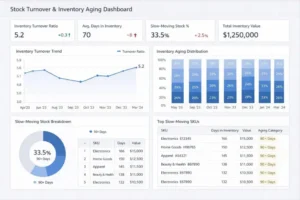

For many businesses, inventory is one of the largest investments on the balance sheet. Every product sitting in a warehouse represents money that was spent with the expectation of generating future revenue. However, not every item sells as planned. Some products remain untouched for months—or even years—occupying valuable warehouse space while silently reducing profitability. These products are known as dead stock.
Dead stock is more than an inventory problem; it is a financial and operational challenge that affects cash flow, warehouse efficiency, purchasing decisions, and overall business performance. Companies that fail to identify and manage dead stock often experience increasing storage costs, reduced working capital, and lower inventory turnover.
Understanding how to identify, analyse, and act on dead stock is essential for businesses that want to maintain a healthy inventory and build a more efficient supply chain.
What Is Dead Stock?
Dead stock refers to inventory that has remained unsold or unused for a prolonged period and is unlikely to sell under normal business conditions.
Unlike slow-moving inventory, which may eventually generate sales, dead stock has little or no demand. It continues occupying storage space while tying up valuable capital.
Dead stock can include:
- Obsolete products
- Discontinued product lines
- Expired goods
- Seasonal items that missed demand
- Damaged inventory
- Products replaced by newer versions
- Items purchased in excessive quantities
While these products still appear as inventory assets, they often provide little financial value unless action is taken.
Why Dead Stock Is a Serious Business Problem
Many businesses focus on generating sales but overlook inventory that no longer contributes to revenue.
Dead stock creates several hidden costs, including:
- Blocked working capital
- Higher warehouse storage expenses
- Increased insurance costs
- Reduced warehouse productivity
- Lower inventory turnover
- Higher risk of product damage or deterioration
- Inaccurate inventory planning
The longer dead stock remains in storage, the greater its impact on profitability.
How to Identify Dead Stock
Identifying dead stock requires more than simply looking at products that have not sold recently. Businesses should combine inventory data, sales history, and operational insights to gain a complete picture.
-
Analyse Inventory Age
One of the simplest methods is reviewing how long products have remained in inventory.
Items that have not moved within predefined periods—such as 90, 180, or 365 days—should be reviewed for potential dead stock classification.
-
Monitor Inventory Turnover
Inventory turnover measures how frequently products are sold and replaced.
Products with consistently low turnover often indicate weak demand and should be investigated further.
-
Review Sales Trends
Historical sales data helps identify products experiencing continuous decline.
If demand has remained consistently low despite marketing efforts or seasonal opportunities, the product may have become dead stock.
-
Conduct Physical Inventory Audits
Regular warehouse audits often uncover forgotten inventory hidden in storage locations.
Physical verification ensures inventory records accurately reflect actual stock.
-
Use Inventory Management Software
Modern inventory management systems provide automated reports that identify:
- Slow-moving inventory
- Non-moving inventory
- Overstocked products
- Aging inventory
- Low inventory turnover items
Automation enables businesses to identify potential dead stock before it becomes a major financial issue.
Common Causes of Dead Stock
Understanding why dead stock occurs helps businesses prevent it in the future.
Some of the most common causes include:
Poor Demand Forecasting
Incorrect sales forecasts often result in purchasing more inventory than customers actually require.
Overstocking
Buying large quantities to secure supplier discounts can lead to inventory sitting unused for extended periods.
Product Obsolescence
Technology, fashion, and consumer preferences evolve rapidly.
Products that once sold well may quickly become outdated.
Seasonal Demand
Holiday or seasonal products often become dead stock if demand is overestimated.
Inefficient Inventory Planning
Lack of inventory visibility and poor purchasing decisions frequently contribute to unnecessary stock accumulation.
The Financial Impact of Dead Stock
Dead stock directly affects business cash flow.
Every unsold product represents money that cannot be invested elsewhere.
Instead of funding growth initiatives such as:
- Marketing campaigns
- Business expansion
- Equipment upgrades
- Technology investments
- Product development
working capital remains trapped in inventory that generates little or no return.
Additionally, businesses continue paying for storage, insurance, handling, and maintenance costs while inventory sits idle.
How to Act on Dead Stock
Once dead stock has been identified, businesses should take proactive steps instead of allowing it to accumulate further.
Sell Through Promotions
Discount campaigns and clearance sales help recover part of the investment while freeing valuable warehouse space.
Bundle Products
Combine slow-moving items with popular products to increase their chances of selling.
Return Inventory to Suppliers
Where supplier agreements allow, returning excess inventory may recover part of the investment.
Liquidate Unsold Stock
Working with liquidation companies or wholesale buyers can generate immediate cash while reducing carrying costs.
Donate Unsold Inventory
In some situations, donating inventory provides tax benefits while supporting charitable organizations.
Recycle or Repurpose Products
For damaged or obsolete items, recycling materials or repurposing components may offer greater value than continued storage.
Best Practices to Prevent Dead Stock
Preventing dead stock is always more cost-effective than managing it later.
Businesses should adopt several best practices:
- Improve demand forecasting using historical sales data
- Monitor inventory performance regularly
- Perform routine inventory audits
- Implement inventory management software
- Establish reorder points based on actual demand
- Use ABC inventory classification
- Strengthen supplier collaboration
- Continuously review product life cycles
These practices help businesses maintain healthier inventory levels while improving operational efficiency.
Benefits of Managing Dead Stock Effectively
Businesses that actively manage dead stock experience significant advantages, including:
- Improved cash flow
- Better warehouse utilization
- Lower inventory carrying costs
- Higher inventory turnover
- Better purchasing decisions
- Increased operational efficiency
- Improved working capital
- More accurate inventory planning
- Stronger overall profitability
Managing dead stock isn’t simply about clearing shelves—it’s about creating a more agile and financially healthy business.
Conclusion
Dead stock is one of the most overlooked challenges in inventory management, yet it has a direct impact on cash flow, profitability, and supply chain efficiency. Products that no longer sell continue consuming valuable warehouse space and tying up capital that could otherwise support business growth.
By identifying aging inventory early, analysing the root causes, and taking decisive action, businesses can reduce financial losses and improve inventory performance. Combined with accurate demand forecasting, real-time inventory visibility, and modern inventory management practices, proactive dead stock management helps organizations maintain healthier stock levels and stronger operational performance.