
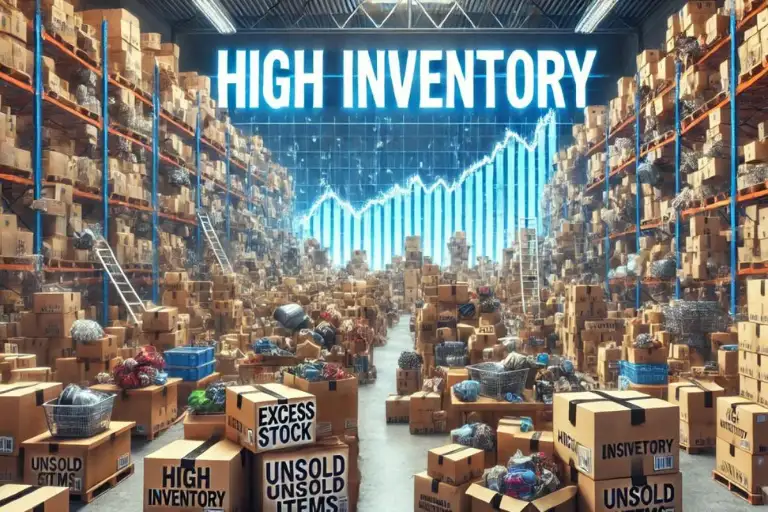
Inventory is one of the most valuable assets for any business. It ensures products are available when customers need them and supports smooth business operations. However, when inventory levels exceed actual demand, it quickly shifts from being an asset to becoming a financial burden.
Many businesses assume that having extra stock is a safe strategy because it prevents shortages. While maintaining safety stock is important, holding excessive inventory can silently drain working capital, increase operational costs, and limit business growth.
Understanding how excess inventory affects cash flow is essential for manufacturers, retailers, wholesalers, distributors, and businesses of every size. By managing inventory strategically, companies can improve financial stability while maintaining excellent customer service.
What Is Excess Inventory?
Excess inventory refers to products that remain unsold or unused for an extended period because inventory levels exceed customer demand.
This situation often develops when businesses:
- Overestimate future demand
- Purchase larger quantities than necessary
- Experience inaccurate sales forecasting
- Face changing market trends
- Introduce products that fail to sell as expected
- Maintain outdated purchasing practices
Although these products still hold value on paper, they do not generate revenue until they are sold. Meanwhile, they continue consuming valuable business resources.
Why Cash Flow Matters
Cash flow is the movement of money entering and leaving a business.
Healthy cash flow enables organizations to:
- Pay suppliers on time
- Cover employee salaries
- Invest in business growth
- Purchase raw materials
- Upgrade equipment
- Manage unexpected expenses
When too much money is locked inside unsold inventory, businesses may struggle to maintain adequate liquidity despite appearing profitable on financial statements.
How Excess Inventory Affects Cash Flow
-
Working Capital Gets Locked
Every product sitting in storage represents money that cannot be used elsewhere.
Instead of investing in marketing, technology, expansion, or new product development, businesses have capital tied up in inventory that generates no immediate return.
The longer inventory remains unsold, the longer valuable cash stays unavailable.
-
Storage Costs Continue to Increase
Inventory requires warehouse space.
The more products stored, the higher the costs for:
- Warehouse rent
- Utilities
- Shelving systems
- Insurance
- Material handling
- Warehouse staff
- Security
These expenses continue regardless of whether products are sold.
Over time, storage costs can significantly reduce overall profitability.
-
Higher Risk of Obsolete Inventory
Markets change rapidly.
Customer preferences evolve, technology advances, and product designs improve.
Inventory that remains in storage for too long may become obsolete before it can be sold.
Businesses are then forced to offer heavy discounts or write off inventory entirely, directly affecting profits.
-
Increased Inventory Carrying Costs
Carrying inventory involves much more than warehouse space.
Businesses also incur costs related to:
- Insurance
- Inventory financing
- Product handling
- Taxes
- Inventory management systems
- Shrinkage
- Damage
The larger the inventory, the greater these ongoing expenses become.
-
Reduced Business Flexibility
Cash tied up in excess inventory limits a company’s ability to respond to new opportunities.
Businesses may struggle to:
- Launch new products
- Invest in automation
- Expand operations
- Hire skilled employees
- Improve customer service
Healthy cash flow creates flexibility, while excessive inventory reduces it.
Operational Challenges Caused by Excess Inventory
Beyond financial concerns, excess inventory also creates operational inefficiencies.
These include:
Slower Warehouse Operations
Overcrowded warehouses make picking, packing, and inventory counting more time-consuming.
Employees spend more time locating products, reducing overall productivity.
Lower Inventory Accuracy
Managing excessive stock increases the likelihood of misplaced items, incorrect stock records, and inventory discrepancies.
Poor inventory accuracy often leads to delayed customer orders and unnecessary purchasing.
More Waste
Certain industries, including food, pharmaceuticals, cosmetics, and chemicals, face additional risks because products have expiration dates.
Unsold inventory often becomes unusable, resulting in avoidable financial losses.
Why Businesses End Up with Excess Inventory
Several factors contribute to overstock situations.
Common causes include:
- Poor demand forecasting
- Seasonal purchasing mistakes
- Bulk buying without demand analysis
- Inefficient inventory planning
- Lack of inventory visibility
- Poor supplier coordination
- Inaccurate sales data
- Manual inventory management processes
Recognizing these causes is the first step toward building a healthier inventory strategy.
How to Reduce Excess Inventory
Businesses can significantly improve cash flow by adopting smarter inventory management practices.
Improve Demand Forecasting
Use historical sales data, market trends, and customer purchasing patterns to make more accurate purchasing decisions.
Monitor Inventory Regularly
Regular inventory audits help identify slow-moving and obsolete products before they become major financial problems.
Implement Inventory Management Software
Modern inventory management systems provide real-time stock visibility, automate replenishment, and improve purchasing accuracy.
Classify Inventory
ABC analysis helps businesses prioritize high-value inventory while reducing investment in low-performing products.
Strengthen Supplier Relationships
Flexible supplier agreements allow businesses to purchase smaller quantities more frequently, reducing unnecessary inventory investment.
Track Inventory Performance Metrics
Monitor KPIs such as:
- Inventory Turnover Ratio
- Days Inventory Outstanding (DIO)
- Carrying Cost Percentage
- Stock Accuracy
- Order Fill Rate
These metrics provide valuable insights into inventory performance and financial health.
Benefits of Maintaining Optimal Inventory Levels
When inventory is managed effectively, businesses experience several long-term advantages:
- Improved cash flow
- Lower storage costs
- Better inventory turnover
- Reduced waste
- Increased profitability
- Faster order fulfillment
- Higher customer satisfaction
- Better purchasing decisions
- Stronger supply chain performance
Optimal inventory levels allow businesses to balance product availability with financial efficiency.
Conclusion
Excess inventory may appear to provide security, but it often creates hidden financial and operational challenges. Every unsold product ties up valuable working capital, increases storage expenses, and limits a company’s ability to invest in future growth.