In today’s fast-moving business environment, inventory is much more than products sitting on warehouse shelves—it’s one of the most valuable assets a company owns. Whether you’re managing a manufacturing unit, retail store, distribution center, or eCommerce business, knowing exactly what inventory you have, where it is, and when it will be available can make the difference between growth and costly operational challenges.
This is where inventory visibility becomes essential.
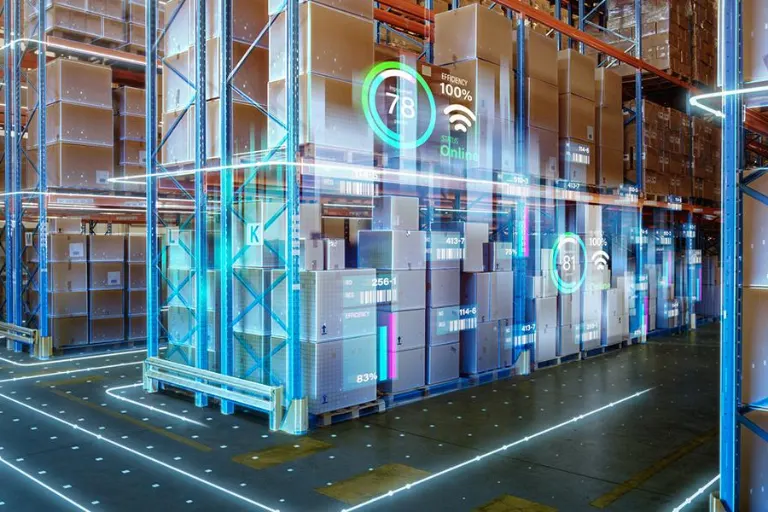
Inventory visibility refers to the ability to monitor and track inventory across the entire supply chain in real time. It provides businesses with accurate information about stock levels, product locations, movement, and availability, enabling faster decisions and more efficient operations.
Without clear inventory visibility, companies often struggle with stock shortages, excess inventory, delayed deliveries, and dissatisfied customers. On the other hand, businesses that have complete visibility over their inventory can improve efficiency, reduce costs, and build stronger customer trust.
What Is Inventory Visibility?
Inventory visibility is the process of having real-time access to inventory data across warehouses, retail locations, production facilities, and distribution networks.
Instead of relying on outdated spreadsheets or manual stock counts, businesses use inventory management systems, barcode scanners, RFID technology, and cloud-based software to track inventory continuously.
With inventory visibility, businesses can instantly answer questions such as:
- How much inventory is currently available?
- Which warehouse holds a specific product?
- Which products are running low?
- What inventory is currently in transit?
- Which items are slow-moving?
- When should inventory be replenished?
Having accurate answers to these questions allows companies to make informed business decisions instead of relying on assumptions.
Why Inventory Visibility Matters
Many businesses don’t realize the cost of poor inventory visibility until operational problems begin to affect customers and profitability.
Here’s why inventory visibility plays such a critical role.
-
Prevents Stockouts
Running out of stock can result in lost sales and disappointed customers.
When inventory visibility is limited, businesses often discover shortages only after customer orders cannot be fulfilled.
Real-time inventory tracking helps businesses identify low stock levels early, ensuring timely replenishment and uninterrupted operations.
-
Reduces Excess Inventory
Holding too much inventory ties up working capital, increases storage costs, and creates unnecessary financial pressure.
Inventory visibility helps businesses maintain optimal stock levels by providing accurate demand insights and purchasing data.
This leads to healthier cash flow and more efficient inventory investment.
-
Improves Order Accuracy
Customers expect fast and accurate deliveries.
When inventory information is incorrect, businesses may accept orders for products that are unavailable or ship incorrect items.
With accurate inventory visibility, order fulfillment teams always know exactly where products are located, reducing picking errors and improving delivery performance.
-
Supports Better Decision-Making
Business decisions are only as good as the information behind them.
Real-time inventory data enables managers to:
- Forecast demand more accurately
- Plan purchasing activities
- Optimize warehouse operations
- Improve production schedules
- Allocate inventory efficiently
Instead of reacting to problems, businesses become proactive.
-
Enhances Customer Satisfaction
Today’s customers expect transparency.
When inventory data is accurate, businesses can confidently communicate product availability, delivery timelines, and order status.
Reliable service builds customer trust and encourages repeat business.
Common Challenges Without Inventory Visibility
Organizations that lack inventory visibility often face recurring operational issues, including:
- Frequent stock shortages
- Overstocking of slow-moving products
- Manual inventory errors
- Delayed customer deliveries
- Inefficient warehouse operations
- Increased carrying costs
- Poor demand forecasting
- Higher operational expenses
These challenges not only reduce profitability but also affect customer confidence and business reputation.
Technologies That Improve Inventory Visibility
Modern businesses rely on technology to achieve complete inventory visibility.
Some of the most commonly used solutions include:
Inventory Management Software
Centralizes inventory information across multiple warehouses and locations while providing real-time stock updates.
Barcode Systems
Barcode scanning minimizes manual data entry errors and improves inventory accuracy throughout receiving, storage, and dispatch operations.
RFID Technology
Radio Frequency Identification (RFID) enables automatic inventory tracking without direct scanning, making inventory monitoring faster and more accurate.
Cloud-Based Inventory Platforms
Cloud solutions allow teams to access inventory data anytime and from anywhere, improving collaboration across departments and business locations.
Warehouse Management Systems (WMS)
A WMS helps optimize inventory movement, storage, picking, and shipping while providing complete warehouse visibility.
Industries That Benefit from Inventory Visibility
Inventory visibility is valuable across almost every industry.
Businesses that particularly benefit include:
- Manufacturing
- Retail
- eCommerce
- FMCG
- Healthcare
- Automotive
- Wholesale Distribution
- Logistics
- Pharmaceuticals
- Consumer Electronics
Regardless of industry, accurate inventory data leads to better operational performance.
Best Practices for Improving Inventory Visibility
Businesses looking to strengthen inventory visibility should consider these best practices:
- Digitize inventory management processes.
- Perform regular inventory audits.
- Implement barcode or RFID technology.
- Integrate inventory data with ERP systems.
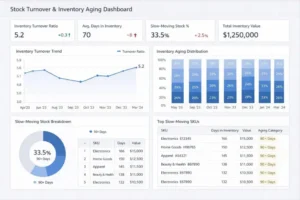
- Use real-time inventory dashboards.
- Train employees on inventory management procedures.
- Standardize inventory tracking across all business locations.
- Continuously monitor inventory performance using KPIs.
Small improvements in visibility often result in significant operational gains over time.
The Business Value of Inventory Visibility
Inventory visibility is not simply about tracking products—it is about improving the entire supply chain.
Businesses with strong inventory visibility experience:
- Better inventory accuracy
- Faster order fulfillment
- Lower operational costs
- Improved working capital
- Smarter purchasing decisions
- Higher customer satisfaction
- Better demand forecasting
- Increased profitability
- Stronger supply chain resilience
As supply chains become more complex and customer expectations continue to rise, real-time inventory visibility has become a competitive advantage rather than a luxury.
Conclusion
Inventory visibility has become one of the most important components of modern inventory management. Businesses that can accurately monitor inventory across every stage of their operations are better positioned to reduce costs, improve customer satisfaction, and make faster, data-driven decisions.
Whether you’re operating a manufacturing facility, managing multiple warehouses, or running an eCommerce business, investing in better inventory visibility creates long-term operational efficiency and sustainable business growth.